COMPLIANCE
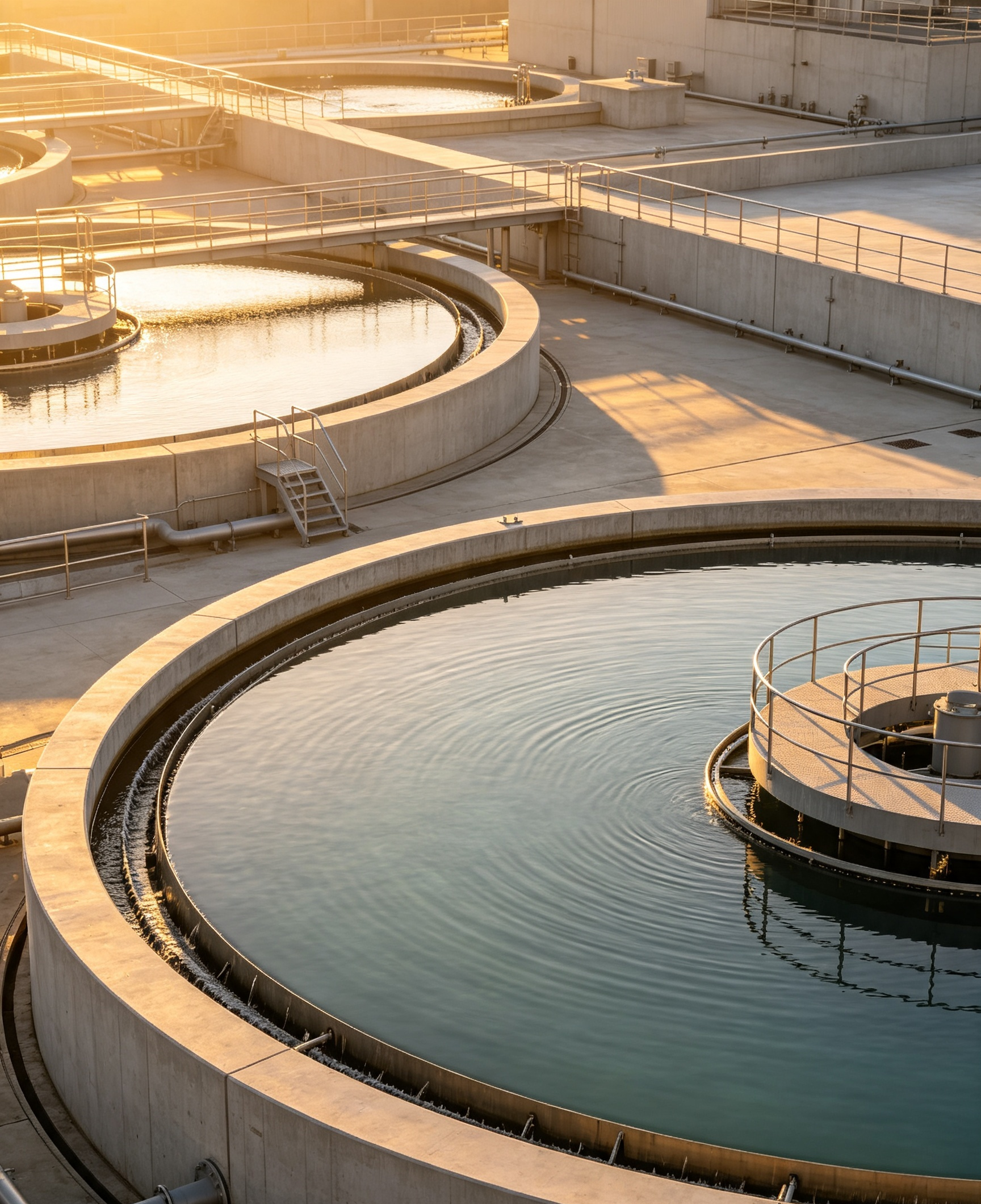
Wastewater treatment plants and industrial dischargers — including refining and petrochemical operations — are required to keep organic pollution below strict limits before releasing water back into the environment. The standard way to check that is a lab test that takes up to five days, which means by the time you see a result, it’s already out of date.
AquaSense AI’s sensors sit in the treatment process itself, continuously tracking water conditions and estimating that same result in 12–48 hours instead — checked the whole time against real lab measurements, never replacing them. Built for municipal effluent and for higher-strength industrial waste streams alike.
FASTER RESULTS · FIELD-VALIDATED · CONTINUOUS DATA · SOLAR-POWERED · WORKS ALONGSIDE YOUR LAB
BOD: why does it matter?
When wastewater contains organic matter — from sewage, food waste, or industrial byproducts — tiny organisms in the water break it down, and in doing so, they use up oxygen. The more organic matter there is, the more oxygen gets used. That oxygen demand is what “BOD” measures: Biochemical Oxygen Demand. It’s one of the main numbers regulators check before treated water is released back into rivers or the environment.
The 5-day test: is there a faster way?
The standard BOD5 test has been the industry reference for decades, and it remains the trusted method — but it was designed before continuous, real-time water monitoring was possible. Regulatory discharge limits are typically expressed against this 5-day figure, such as Brazil’s CONAMA 430/2011 standard, but a plant only finds out it breached that limit after the fact. In our field validation with SABESP, one of the largest water utilities in the world, effluent BOD5 dropped from over 60 mg/L to a stable 15–20 mg/L range over a 65-day pilot — tracked continuously and checked against certified lab spot-checks the entire time, rather than waiting five days between readings. A separate reliability test ran the same system unattended for 576 hours (24 days) straight.
A slow answer to ‘is this compliant?’ is still just a slow answer — the water has already been released either way.
Ensuring compliance
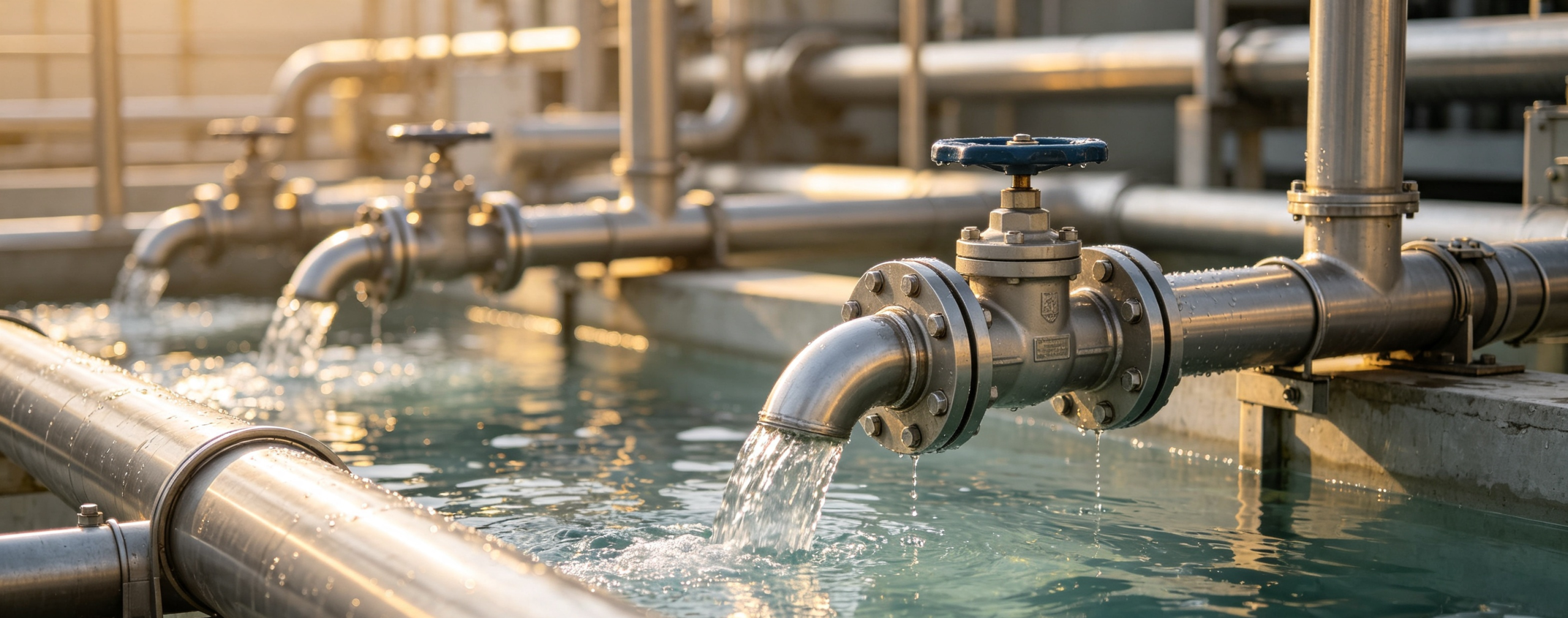
Waiting five days for a result means any problem is caught only after it’s already happened. Continuous monitoring catches the trend as it develops — giving operators the chance to adjust before a breach occurs, not just document one after the fact.